Our History
A physician who endowed opportunity for half a century, and the committee chair who professionalized the competition.
The benefactor
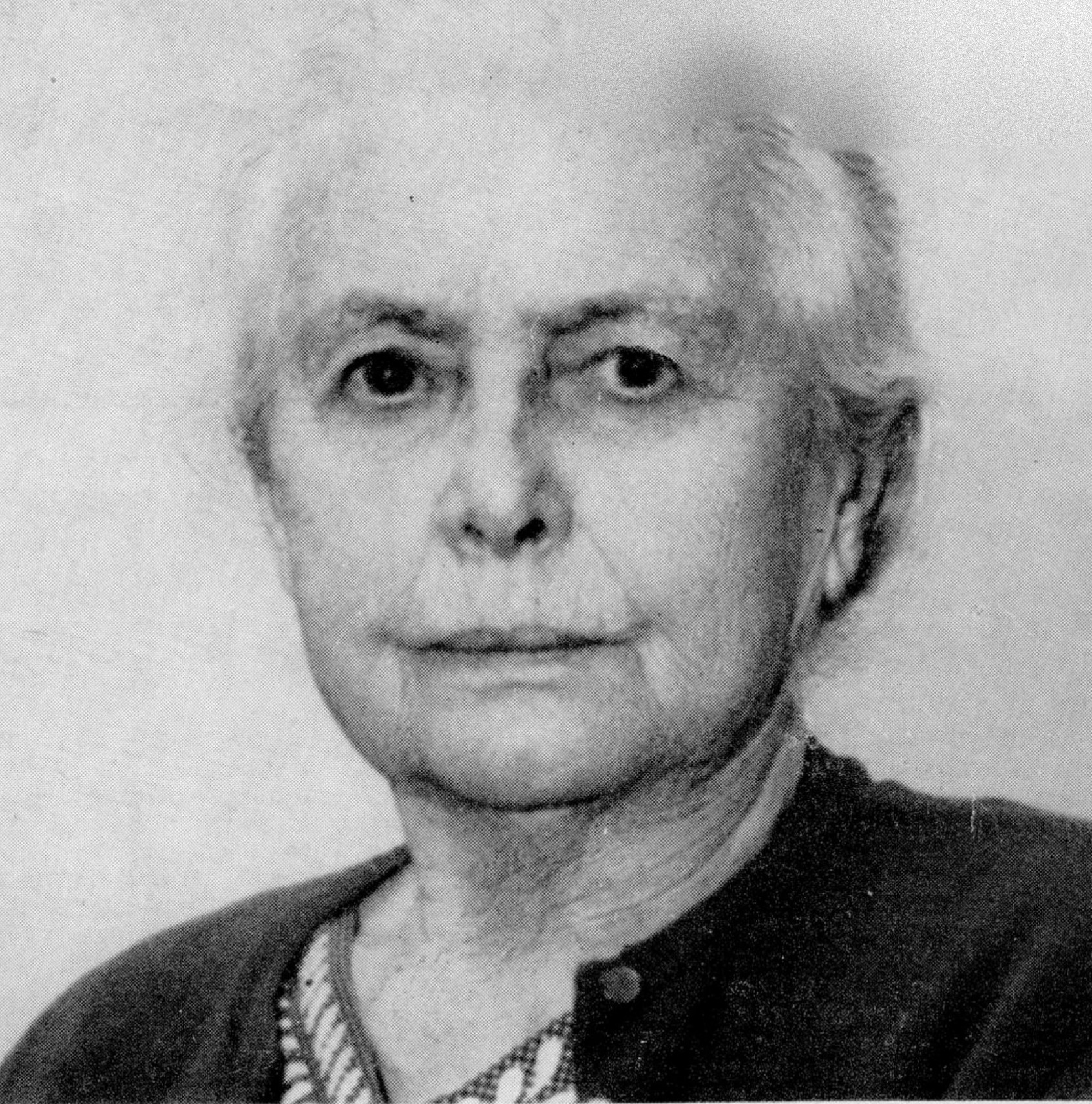
Anna Bartsch was born December 18, 1876, in Silesia, Poland. Her family emigrated to America in 1882 and settled in Burlington, Iowa; her mother, a university-trained obstetrics graduate, delivered more than 1,500 babies there. In 1898 Anna came to Washington and entered the Howard University College of Medicine — at a time when nearly every American medical school closed its doors to women, Howard opened its doors to her. She took her M.D. in 1902.
She practiced in Washington as a gynecologist for nearly half a century, kept her office on Connecticut Avenue, studied in Vienna, London, and Paris, and taught histology at Howard across three decades. Her brother, Dr. Paul Bartsch, was the Smithsonian's legendary curator of mollusks; the siblings moved through Washington's scientific and artistic circles together — including this club, where she was a member.
She never forgot what an open door was worth. In 1955 she endowed the Anna Bartsch-Dunne Scholarship Fund at Howard for women medical students — by 1971 it had carried some fifty women into medicine — and she created a second fund at the George Washington University School of Medicine. In 1961, at 84, Howard gave her its Alumni Achievement Award in Medicine. The fund that sustains this competition bears her name and continues her lifelong habit: endowing the next generation's chance.
When the Journal of the National Medical Association dedicated its March 1968 issue to her, her response was characteristic: “What have I done that you dedicate this Number to me?”
The builder
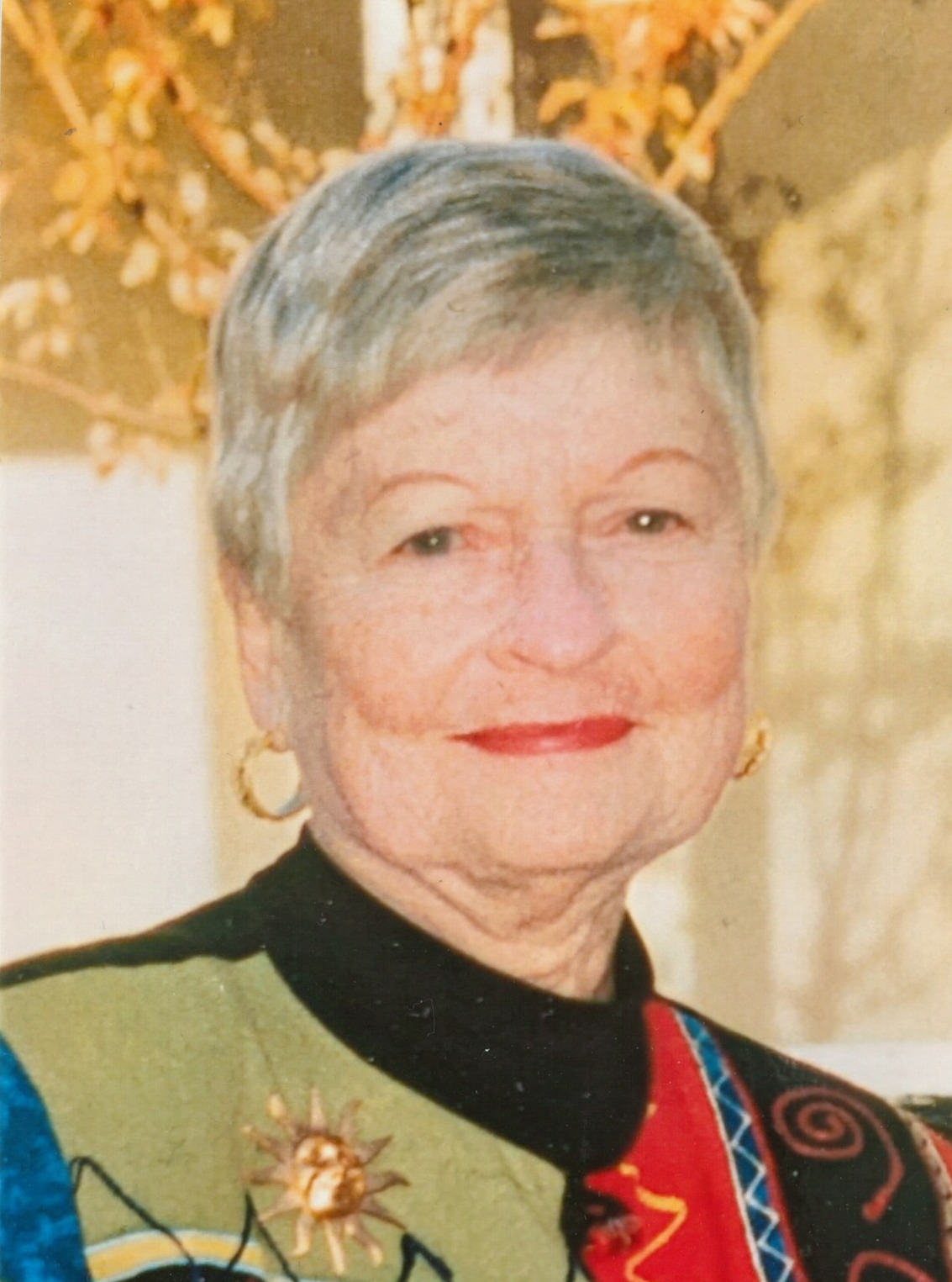
Every institution has a founder; the lucky ones also get a builder. Jane Work was the builder. A communications executive who came to Washington from the New York area after a career spent making organizations speak clearly, she gave the club's scholarship program its working shape — and the committee she chaired still runs on the standards she set.
She chose this house on purpose. “It's the first time I found any people like the people in Greenwich Village,” she said of the club, and of the members she found here: “The people are interested in the arts. They're non-judgmental. The food is excellent. The wine is good.” She was not looking for a club so much as for company of a particular kind, and she found it on I Street.
Those who served alongside her remember the specifics. That deadlines were promises. That a student's work deserved the same serious reading as a professional's. That an award is not paperwork but an occasion — “They've got place cards! I love black tie!” she said of club evenings — because how you honor someone teaches them what their work is worth. She ran the program the way she ran an evening at the club: generously, exactingly, and with visible joy.
When the Washington Post visited the club in 2011, it found her presiding over that conviviality with evident delight. “This kind of grand townhouse really ends up being your place,” she told the paper — and, in the line the committee still quotes fondly: “I'm not the shy, retiring type.”
The first-place award of this competition is given in her memory — the builder's name, carried forward by every winner this program honors.
Her words here are quoted from David Montgomery, “Arts Club of Washington's quirky downtown haven of clubby culture survives the ages,” The Washington Post, May 2011, in which she spoke as chair of the club's scholarship program.
The thread
A physician who spent her means opening doors for students, and a chair who gave this competition its standards. The scholarship you are reading about is their habit carried forward: funded by the club and its friends, judged by working artists, and celebrated in the Monroe House parlors where it has lived from the start.
Their example is also an invitation. The club welcomes those who wish to help carry the prizes forward — write to scholarship@artsclubofwashington.org.